
Case Study: Hygroscopic Salt Contamination on Chimney

Hygroscopic salt contamination is a common issue, particularly in older properties with chimneys that have been subjected to long-term exposure to moisture and fossil fuel combustion.
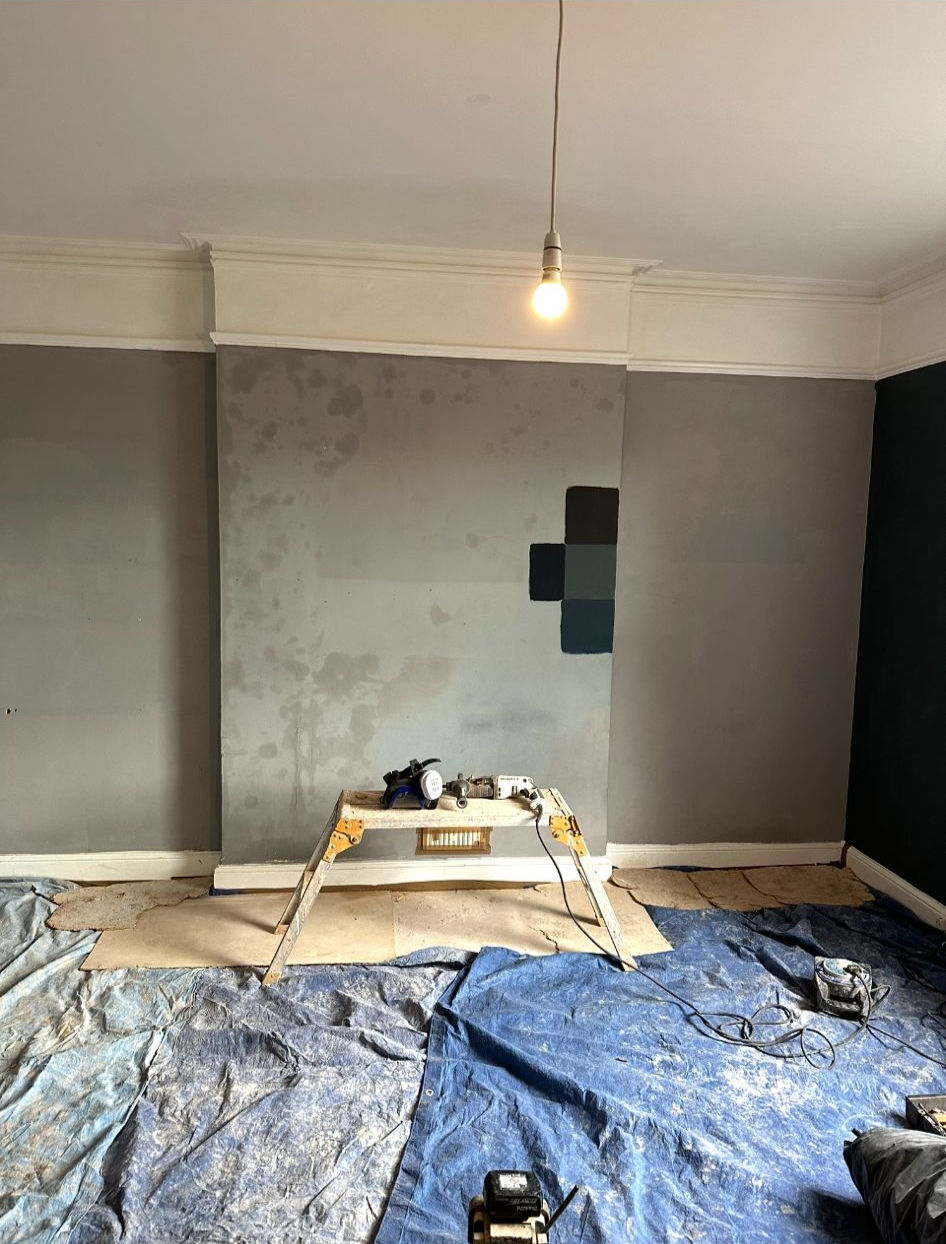
In this case study, we detail a project undertaken by Gavin Jones of G Jones Plastering & Damp Proofing, where a chimney breast exhibited significant signs of hygroscopic salt contamination. The problem manifested as damp patches and efflorescence on the plaster surface, which required careful remediation to restore the integrity of the wall.

Assessment of the Problem
Upon inspection, it was clear that the chimney had been affected by rising damp and water ingress over time. Moisture had leached through the masonry, carrying chlorides and nitrates that crystallized within the plaster as the water evaporated. This left behind hygroscopic salts that attracted moisture from the air, exacerbating the damp conditions, especially during periods of high humidity.
The existing plaster was found to be contaminated and deteriorating, necessitating its removal. The salts present were not only damaging to the aesthetic appearance but also posed a risk of further structural damage if left untreated.
Remediation Process
Removal of Contaminated Plaster: The first step involved carefully hacking off all affected plaster from the chimney breast down to the underlying masonry. This process is crucial as it eliminates any residual hygroscopic salts that could compromise new finishes.
Drying Out: After removing the contaminated plaster, it was essential to allow the masonry to dry thoroughly. This step helps ensure that any remaining moisture is evaporated before applying new materials.
Application of Waterproof Plaster: Once the wall was dry, Gavin applied a waterproof plaster specifically designed to resist salt contamination. This plaster included additives that inhibit salt migration and provide a robust barrier against future damp issues.
Finishing Touches: After applying the waterproof plaster, a finishing coat was added to achieve a smooth surface ready for decoration. This final layer not only enhances aesthetics but also adds an additional level of protection against moisture ingress.
Outcome
The remediation successfully addressed the hygroscopic salt contamination on the chimney breast. The new waterproof plaster effectively sealed the wall against moisture while allowing any residual vapour to escape, preventing future damp issues. The client reported a significant improvement in both the appearance and condition of the chimney area.


Conclusion
Gavin's expertise in dealing with hygroscopic salt contamination ensured that this project was completed efficiently and effectively. By employing a systematic approach, removing contaminated materials, allowing for proper drying, and using specialised waterproof plaster, Gavin restored not only the structural integrity of the chimney but also enhanced its longevity against future damp challenges.

If you are experiencing similar issues with damp or salt contamination in your property, we can help. At G Jones Plastering & Damp Proofing, we specialise in providing high-quality plastering and damp proofing services tailored to your needs.
Contact us today for a consultation and let us help you achieve a dry and healthy living environment.